

The evolution of casinos a historical perspective on gaming culture
The Origins of Gaming
The history of gaming can be traced back thousands of years, with evidence of gambling activities found in ancient civilizations such as Mesopotamia, China, and Egypt. These early forms of gaming often revolved around dice, betting on outcomes of events, and various types of chance. Archaeological findings indicate that the earliest known gambling games date back to around 3000 BC, where objects resembling dice were used in various rituals and games. As players look for budget-friendly gambling options, they may also enjoy pokies online australia that are increasingly popular.
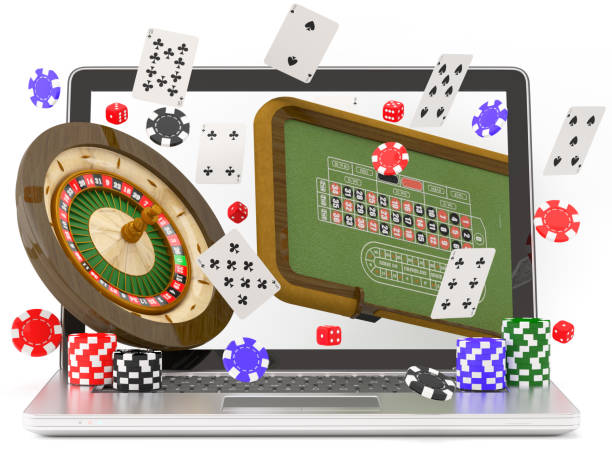
As societies evolved, so did the concept of gaming. The establishment of rules and formalized structures in games marked a significant turning point. By the time of the Roman Empire, gambling was widespread, with various games of chance becoming integral to their culture. The Romans embraced gaming not just for entertainment but also as a means of socialization, allowing them to engage in friendly competition among peers.
The Birth of Modern Casinos
The modern casino as we know it began to take shape in the 17th century, particularly in Italy, where the first official gambling houses were established. These venues, known as “ridotti,” were private clubs for the elite. They set the foundation for what would later evolve into more public gaming establishments. The spread of these institutions across Europe set the stage for a new era in gaming culture.
The 18th and 19th centuries saw the opening of iconic establishments, such as the Casino de Monte-Carlo in Monaco, which attracted affluent players from around the globe. These venues not only offered games of chance but also provided luxurious atmospheres and entertainment options, creating a unique blend of leisure and gambling that appealed to a broader audience.
The Rise of Las Vegas
The mid-20th century marked a pivotal moment in the evolution of casinos with the rise of Las Vegas as the gambling capital of the world. Following the legalization of gambling in Nevada in 1931, Las Vegas began to flourish, transforming into a vibrant city known for its extravagant casinos and entertainment. Iconic resorts, such as the Sands and the Stardust, introduced lavish shows, fine dining, and an all-encompassing entertainment experience.
This transformation redefined the casino experience, appealing to both serious gamblers and casual visitors looking for entertainment. The combination of glitzy casinos and the allure of the Las Vegas lifestyle captured the imagination of people worldwide, establishing a cultural phenomenon that continues to attract millions of tourists each year.
The Digital Transformation of Gaming
The late 20th and early 21st centuries ushered in a digital revolution, radically changing the landscape of gaming. The advent of the internet gave rise to online casinos, allowing players to engage in gaming from the comfort of their homes. This shift democratized access to gambling, catering to a broader demographic beyond the traditional casino-goers.
Online gaming platforms have introduced innovative technologies, such as live dealer games and mobile applications, enhancing user experiences and attracting new players. The ease of access, combined with attractive bonuses and promotions, has made online casinos a popular choice for both novice and seasoned gamblers, further reshaping gaming culture.

The Future of Casinos and Gaming Culture
The future of casinos is poised for exciting transformations as technological advancements continue to redefine the gaming experience. With the rise of virtual reality and artificial intelligence, the gaming industry is set to create immersive environments that mimic the thrill of real-life casinos. These innovations will cater to a younger, tech-savvy audience, ensuring the evolution of gaming culture continues.
As online casinos gain prominence, they are also focusing on responsible gaming practices, ensuring a safer environment for players. The balance between entertainment and safety is paramount, promising a sustainable future for the industry that embraces both tradition and innovation.